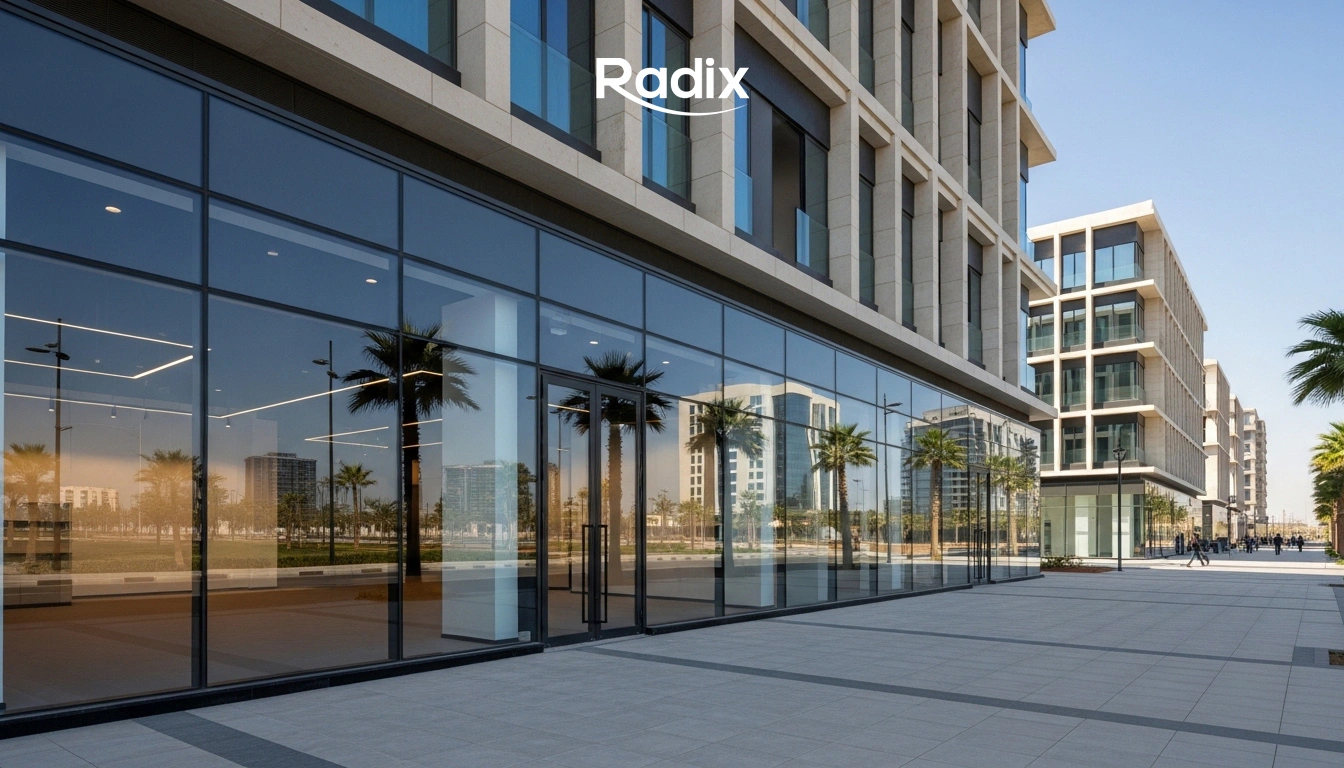
Retail Spaces for Sale in Egypt’s New Administrative Capital Market Dynamics and Price Trends
The New Administrative Capital of Egypt has rapidly emerged as a major hub for commercial investment, attracting developers, entrepreneurs, and retail investors. As the city continues to expand, demand for retail spaces for sale has surged, driven by its strategic location, modern infrastructure, and the promise of high foot traffic. These factors make the capital a prime destination for businesses seeking a presence in Egypt’s most ambitious urban project.
The retail market in the New Administrative Capital is shaped by a combination of supply and demand dynamics, government policies, and the pace of urban development. Investors are closely monitoring trends in the sector, as early acquisition of commercial units can yield long-term returns. Understanding the relationship between supply, demand, and pricing is essential for anyone looking to invest in retail real estate in this emerging market.
Market Overview: Retail Demand
Demand for retail spaces in the New Administrative Capital is increasing steadily, fueled by a growing population, new residential developments, and the influx of businesses into the city. Retailers are particularly attracted to locations near commercial hubs, residential districts, and government offices, where foot traffic is highest.
Key drivers of demand include:
- Proximity to new residential and mixed-use communities.
- Accessibility via major roads and public transportation.
- High visibility for brand exposure and business growth.
- Anticipation of future population growth and economic activity.
Investors and developers are responding to this demand by offering various unit sizes, from small shops suitable for local retailers to larger retail spaces for supermarkets or franchise chains. The diversity of available spaces allows both small and large businesses to establish a presence in the capital, creating a dynamic commercial environment.
Retail Supply: Inventory and Availability
The supply of retail units in the New Administrative Capital has grown in parallel with the city’s construction boom. Developers are actively launching commercial projects, including shopping malls, mixed-use complexes, and standalone retail streets. These developments aim to meet the demand from businesses and to create vibrant retail destinations.
Notable supply trends include:
- Mixed-use developments integrating offices, residences, and retail units.
- Modern shopping malls with premium amenities and large commercial areas.
- Retail streets designed for high visibility and customer accessibility.
- Strategic placement near residential neighborhoods to ensure steady foot traffic.
The availability of retail units varies depending on the location, size, and project stage. Prime locations tend to sell quickly, while units in newer or less developed areas may offer competitive pricing to attract early buyers.
Impact of Supply and Demand on Prices
The interplay between supply and demand directly influences the pricing of retail spaces in the capital. High-demand areas, particularly near commercial centers and major roads, command premium prices, while retail units in developing districts may be more affordable.
Key factors affecting prices include:
- Proximity to residential and government districts.
- Size and layout of the retail unit.
- Amenities provided, such as parking, security, and modern infrastructure.
- Project reputation and developer credibility.
As the city continues to grow, the scarcity of prime retail units is expected to drive prices upward, especially for well-located properties. Investors seeking long-term capital appreciation often target these high-demand areas, anticipating strong returns once the city’s population and commercial activity reach projected levels.
Trends in Payment and Financing Options
Developers in the New Administrative Capital are offering flexible payment plans to attract a wider range of investors. These plans allow buyers to purchase retail spaces without requiring the full payment upfront, making investment more accessible.
These financing options encourage investment from both small-scale business owners and larger retail chains, supporting the growth of the retail ecosystem in the capital.
Investment Potential and Future Outlook
Retail spaces in the New Administrative Capital offer significant investment potential due to the city’s rapid growth, high-quality infrastructure, and strategic location. Businesses investing early can secure premium locations at competitive prices, benefiting from both rental income and long-term capital appreciation.
Future projections indicate:
- Continued population growth boosting demand for retail services.
- Expansion of commercial hubs and business districts enhancing foot traffic.
- Introduction of new residential projects increasing consumer base.
- Potential government incentives and infrastructure improvements supporting investment.
As the market matures, retail spaces are expected to become increasingly valuable, particularly in areas with high accessibility, visibility, and integration with residential and commercial projects.
The New Administrative Capital represents a dynamic and promising market for retail real estate. Supply and demand factors, combined with strategic location and modern infrastructure, are shaping pricing trends and creating opportunities for both small and large investors.
Retail spaces for sale in the capital provide a platform for businesses to establish a presence in a growing city, with flexible payment options facilitating investment. As demand continues to rise and supply adapts, the New Administrative Capital is poised to become one of Egypt’s most lucrative destinations for retail investment, offering strong potential for both short-term and long-term gains.