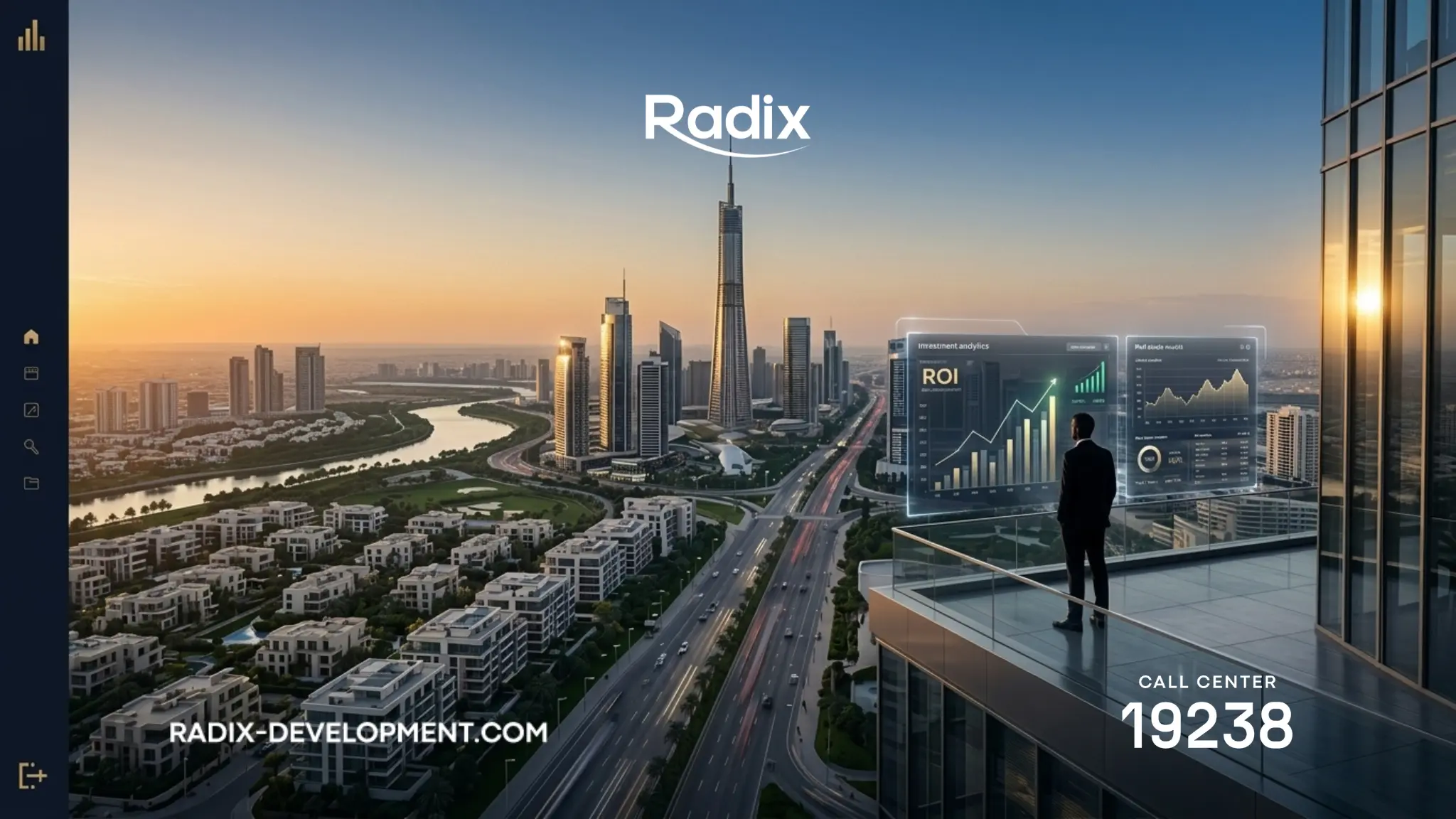
Best Areas in New Administrative Capital for Long-Term Real Estate Investment in 2026
The New Administrative Capital in Egypt has become one of the most attractive real estate destinations for long-term investors seeking capital appreciation and stable growth. Designed as a fully integrated smart city, it offers a wide range of districts with different investment profiles, from luxury residential zones to high-value commercial hubs. By 2026, the city’s infrastructure maturity and rising population density are expected to significantly enhance property values across key areas, making strategic location selection more important than ever.
What Makes an Area Ideal for Long-Term Investment
Long-term real estate success in the New Capital depends on several critical factors. Investors are increasingly focusing on districts that combine accessibility, infrastructure development, and proximity to major economic zones.
- Proximity to government districts and administrative institutions ensures consistent demand
- Availability of modern infrastructure increases property value and rental stability
- Strong transportation connectivity supports long-term population and business growth
- Presence of mixed-use developments enhances livability and investment attractiveness
Areas that meet these criteria tend to experience faster appreciation and lower vacancy risks over time.
View The Opportunity Why Administrative Offices in New Capital Are a Smart Investment in 2026
Best Districts in New Capital for Capital Appreciation
Several districts stand out as top performers in terms of capital growth potential. Each area offers unique advantages depending on investment goals and risk appetite.
The Central Business District (CBD) remains the most prominent investment hub, driven by iconic towers and high commercial demand. The R7 Residential District is known for luxury housing and strong long-term appreciation. Meanwhile, the R8 District is gaining attention due to ongoing development and relatively lower entry prices. The Governmental District also holds strategic value due to its proximity to ministries and official institutions.
These districts are expected to lead capital appreciation trends as development progresses and occupancy rates increase.
Residential vs Commercial Investment by Area
Investment strategy in the New Capital varies significantly between residential and commercial properties depending on location.
- CBD and Downtown areas are more suitable for commercial offices and retail spaces
- R7 and R8 districts are primarily residential, offering long-term housing demand
- Governmental District benefits both residential and service-based commercial investments
- Mixed-use developments provide balanced opportunities for rental income and appreciation
Residential investments tend to offer stability, while commercial assets often deliver higher yields in prime business zones.
Continue Reading How to Calculate ROI in Real Estate Egypt A Complete Investor Guide
Infrastructure Projects Driving Future Demand
Infrastructure development is a key driver of real estate growth in the New Capital. The city is designed with advanced transportation and smart systems that enhance accessibility and urban efficiency.
Major projects such as the Monorail system, wide road networks, and smart utility infrastructure are significantly improving connectivity between districts. Additionally, proximity to the Green River project and central parks is expected to boost property desirability in surrounding areas.
These infrastructure investments are not only improving quality of life but also directly increasing property values across multiple districts.
How to Compare Investment Potential Across Districts
Evaluating different districts requires a structured approach that considers both short-term returns and long-term appreciation potential. Investors should analyze multiple indicators before making decisions.
- Assess current development stage and future completion timelines
- Compare average price per square meter across districts
- Evaluate rental demand and occupancy trends in each area
- Consider infrastructure proximity and accessibility to key hubs
- Review developer reputation and project delivery history
By combining these factors, investors can identify areas that align with their financial goals, whether focused on income generation or long-term capital growth.
Build Your Future With Confidence Why New Administrative Capital Is the Best Place to Invest in Commercial Property in 2026