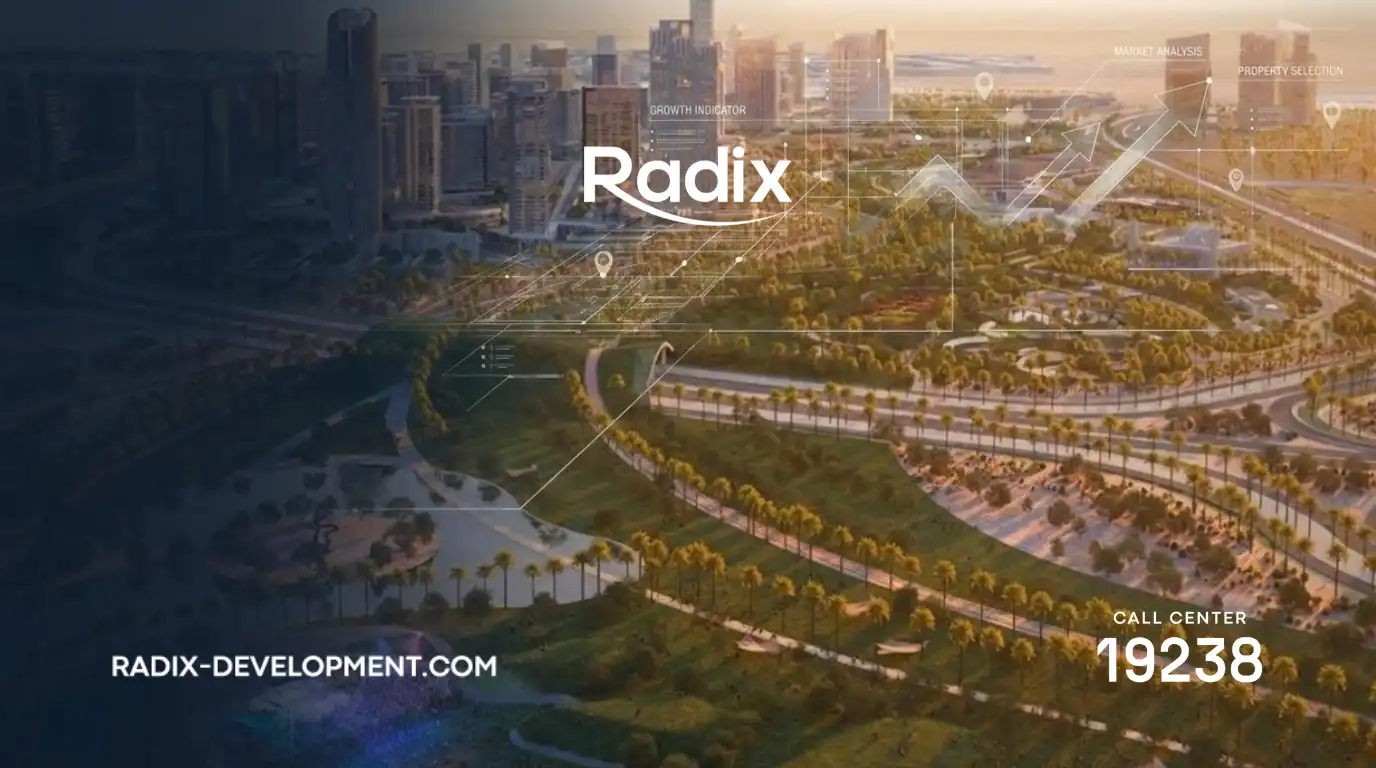
The Complete Guide to Investing in the New Administrative Capital
The New Administrative Capital has emerged as one of Egypt’s most significant real estate investment destinations, attracting local and international investors with its strategic location, modern infrastructure, expanding business activity, and growing residential demand. As government institutions and businesses continue to establish operations in the new city, the demand for residential, commercial, and administrative properties is creating new opportunities for investors seeking long-term returns. However, choosing the right location, property type, and development requires a clear understanding of the factors shaping the New Capital’s real estate market.
Why the New Administrative Capital Has Become Egypt's Leading Investment Destination
The New Administrative Capital is designed to become a major administrative, business, and residential center, supported by large-scale infrastructure and urban development. Its strategic position and connection to Cairo, the Suez Canal area, and major transportation networks have strengthened its investment appeal.
- Government relocation: The movement of ministries and government institutions to the New Capital is creating a permanent base of employees and supporting demand for housing, offices, retail, and services.
- Strategic location: The city benefits from its proximity to Cairo and major roads connecting different parts of Egypt, improving accessibility for residents and businesses.
- Modern infrastructure: Smart-city technologies, transportation networks, utilities, and newly developed roads are contributing to a modern urban environment.
- Business expansion: The development of financial, administrative, and commercial districts is attracting companies and investors, increasing demand for different property categories.
- Investment diversity: Investors can select from apartments, villas, commercial units, offices, and mixed-use properties, allowing them to build strategies around rental income or capital appreciation.
The Districts That Offer the Strongest Investment Opportunities
Location is one of the most important determinants of real estate performance in the New Administrative Capital. Each district has its own investment characteristics, and investors should consider accessibility, surrounding developments, services, and expected demand before purchasing.
- Downtown: The district is considered an important destination for commercial, administrative, and retail investments because of its central position and proximity to major attractions and business activity.
- R7 and R8: These residential districts provide extensive opportunities for apartment investments, particularly for buyers interested in future residential demand and long-term appreciation.
- The Financial and Business District: This area is particularly attractive for administrative and commercial investments because of its role as a major business center.
- MU23: Located between important residential areas, MU23 offers opportunities for commercial and retail properties that can serve surrounding communities.
- Central Business District: The CBD represents a major commercial hub and can appeal to investors seeking exposure to offices, business facilities, and high-value commercial properties.
Investors should also examine the maturity of each district. Projects surrounded by completed roads, operational services, populated communities, and active commercial areas may offer different opportunities from developments located in emerging sections of the city.
The Property Types That Deliver the Highest Long Term Value
The New Administrative Capital provides investors with several property categories, each offering different advantages in terms of rental income, liquidity, and long-term appreciation.
- Residential apartments: Apartments can benefit from increasing demand among government employees, professionals, families, and individuals working in the Capital.
- Commercial units: Retail properties can provide strong opportunities in locations with high pedestrian activity and easy access from surrounding residential communities.
- Administrative offices: The concentration of government institutions and private companies creates potential demand for modern office spaces.
- Mixed-use properties: Developments combining residential, commercial, and administrative components can benefit from diversified demand and integrated services.
- Luxury residential units: Premium apartments and villas can target higher-income buyers and tenants seeking modern communities and high-quality services.
The best property type depends on the investor’s objective. Residential units may be more suitable for rental strategies, while strategically located commercial and administrative properties can offer opportunities for both rental income and capital appreciation.
The Factors Driving Property Price Growth Across the New Capital
Several factors influence property prices and investment performance throughout the New Administrative Capital. Understanding these drivers can help investors identify locations with stronger long-term potential.
- Infrastructure development: New roads, transportation networks, utilities, and public facilities can improve accessibility and increase the attractiveness of surrounding properties.
- Government activity: The concentration of government institutions supports a large employment base and contributes to sustained demand for residential and commercial services.
- Business growth: The expansion of companies, financial institutions, and commercial activities can increase demand for offices, retail units, and nearby housing.
- Population growth: As more people relocate to the Capital, demand for residential units and essential services is expected to expand.
- Developer reputation: Developers with strong delivery records and established market reputations can increase buyer confidence and contribute to the long-term attractiveness of their projects.
- Prime locations: Properties close to major roads, business districts, landmarks, transportation hubs, and established services can have stronger investment potential.
Price growth should also be evaluated alongside actual market demand. A property with a high advertised appreciation rate may not necessarily deliver the strongest return if rental demand, resale liquidity, or occupancy remains limited.
How to Choose the Right Development for Your Investment Goals
Selecting a development requires more than comparing prices per square meter. Investors should evaluate the project from both a financial and operational perspective.
- Set clear investment goals: Determine whether the priority is rental income, capital appreciation, resale, or long-term ownership.
- Evaluate the developer: Review previous projects, delivery performance, construction quality, financial stability, and after-sales services.
- Compare locations: Examine accessibility, surrounding developments, nearby commercial activity, transportation, and future infrastructure.
- Analyze payment plans: Installment periods, down payments, and payment schedules can significantly affect cash flow and the overall investment cost.
- Calculate additional expenses: Investors should account for maintenance, finishing, service charges, registration costs, and other potential expenses.
- Study rental demand: Properties located near business districts, government institutions, and populated residential communities may have stronger rental prospects.
- Assess resale potential: Units with attractive layouts, competitive pricing, strong locations, and established surrounding communities may be easier to resell.
Investors should also compare several projects before making a decision. Looking at price, location, developer history, delivery date, unit specifications, facilities, and expected demand together provides a more accurate picture of the investment opportunity.
The Future of Real Estate Investment in the New Administrative Capital
The future of real estate investment in the New Administrative Capital is supported by continued infrastructure development, business expansion, and the growing relocation of government institutions and residents.
- Infrastructure growth: New roads, transportation networks, and services are improving connectivity and supporting property demand.
- Business expansion: The arrival of companies and financial institutions is increasing demand for offices, commercial spaces, and nearby housing.
- Growing residential demand: As more employees and families move to the Capital, demand for apartments and rental properties is expected to increase.
- Mixed-use developments: Projects combining residential, commercial, and administrative spaces can benefit from diverse demand.
Long-term appreciation: Properties in well-connected districts with strong services and occupancy potential may offer attractive long-term value.