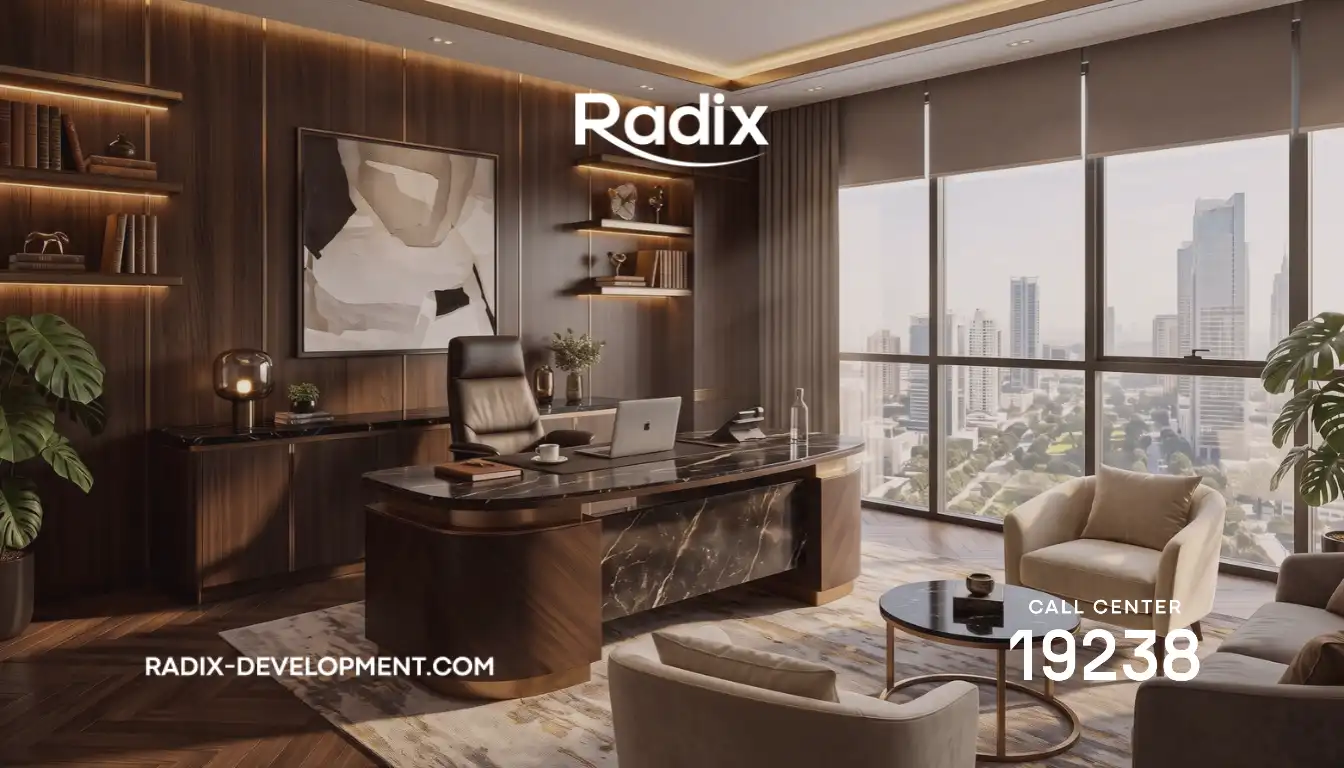
Open Plan or Private Office Layouts for Teams in Egypt
Choosing between an open-plan office and a private office layout is an important part of creating a productive workplace. The right arrangement depends on how employees communicate, the nature of their daily tasks, and the level of privacy required across different departments.
Businesses in Egypt should consider their team structure, operational activities, office size, and workplace culture before selecting a layout. While open-plan offices can encourage collaboration and make better use of available space, private offices provide quieter environments for focused work and confidential discussions. In many cases, combining both approaches creates a more practical working environment.
When Does Open-Plan Working Fit a Team’s Collaboration Needs?
Open-plan offices are particularly suitable for businesses that depend on frequent communication, teamwork, and quick coordination between departments. Removing unnecessary physical barriers can make it easier for employees to exchange ideas, discuss projects, and solve problems without relying on formal meetings.
This arrangement can also help businesses make efficient use of office space by accommodating more workstations within a shared environment.
Open-plan layouts may suit:
- Marketing and creative teams that regularly exchange ideas.
- Startups that need flexible workstations as their teams grow.
- Businesses with collaborative projects involving multiple departments.
- Companies that encourage direct communication and shared decision-making.
However, an open environment also comes with challenges. Noise, interruptions, and limited personal space can affect concentration, particularly for employees handling detailed tasks or frequent phone calls. Businesses should therefore consider acoustic solutions, appropriate workstation spacing, and designated quiet areas.
When Might Private Rooms Better Support Focus and Confidentiality?
Private offices and enclosed rooms can provide a more controlled working environment for employees who regularly handle sensitive information, confidential conversations, or tasks requiring sustained concentration.
Certain business functions benefit from having dedicated spaces where discussions can take place without disturbing other employees or exposing confidential information.
Private rooms may be particularly useful for:
- Human resources departments handling employee records and personal information.
- Finance and accounting teams working with sensitive financial data.
- Senior management conducting confidential meetings.
- Legal and administrative teams reviewing contracts and business documents.
- Employees who regularly participate in private client calls or negotiations.
Private offices can also provide a quieter environment for employees who need to focus on complex assignments. However, dedicating too much floor space to enclosed rooms may reduce collaboration and increase fit-out costs.
How Can a Layout Balance Shared Work with Enclosed Spaces?
A balanced office layout combines collaborative areas with private spaces, allowing employees to choose an environment that suits their responsibilities.
Rather than adopting a completely open or fully enclosed arrangement, businesses can divide the office into functional zones based on how different teams work.
A practical layout may include:
- Open workstations for departments that require regular communication.
- Enclosed offices for management and employees handling confidential tasks.
- Meeting rooms for presentations, discussions, and client appointments.
- Phone booths or small quiet rooms for private calls.
- Shared breakout areas for informal conversations and team interaction.
Businesses should also consider natural lighting, ventilation, noise control, and movement between different work zones when planning the layout.
Creating a Functional Office Environment
The choice between open-plan and private office layouts should reflect how a business operates rather than following a particular workplace trend. Understanding employee responsibilities, communication patterns, and privacy requirements helps companies allocate space more effectively.
A thoughtfully designed combination of shared workstations and enclosed rooms can support collaboration, protect confidentiality, and create a comfortable working environment that adapts to the company's changing needs.